National Youth Conference 2026: Young Ghanaians Challenged to Turn Advocacy into Action

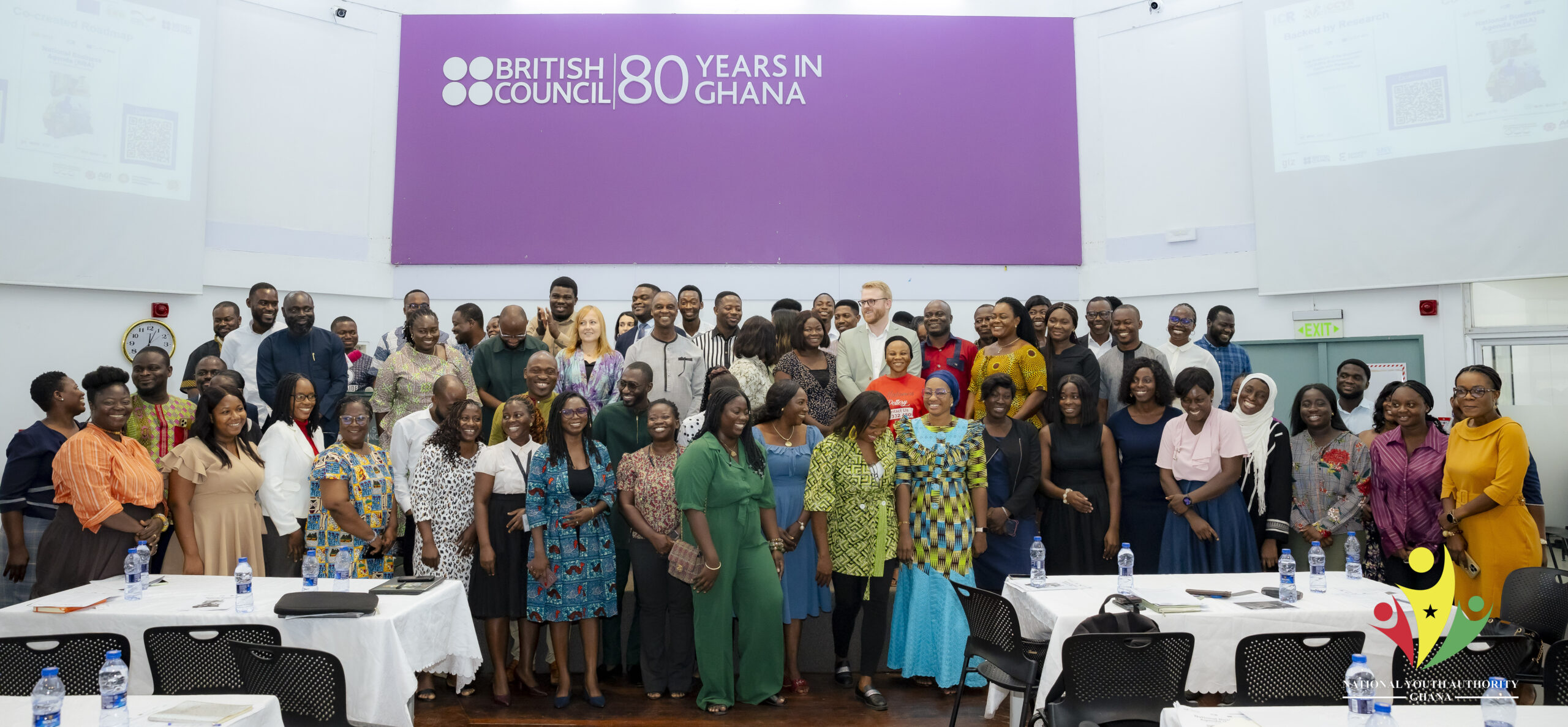
The 2026 National Youth Conference at the Kwame Nkrumah University of Science and Technology (KNUST) brought together young people from across Ghana for conversations on leadership, entrepreneurship, national development and the role of young people in shaping the country’s future.
Held under the theme “Rebuilding Values, Inspiring Patriotism: Empowering the Youth in the Digital Age,” the conference formed part of the National Youth Month celebrations and provided a platform for young people, government representatives, entrepreneurs, civil society organisations, students and other stakeholders to engage on issues affecting the country’s youth. The National Youth Authority lists KNUST in Kumasi as the venue for the 2026 National Youth Conference.
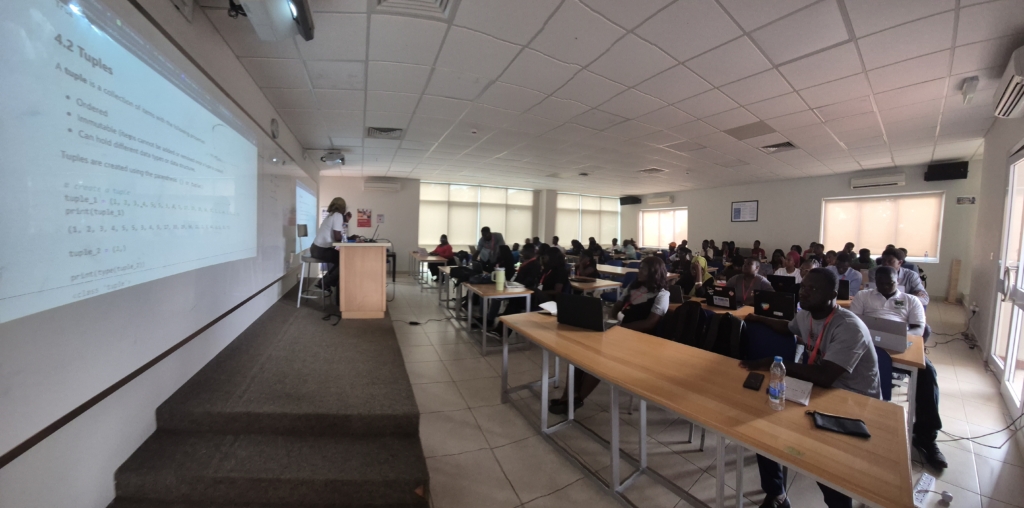
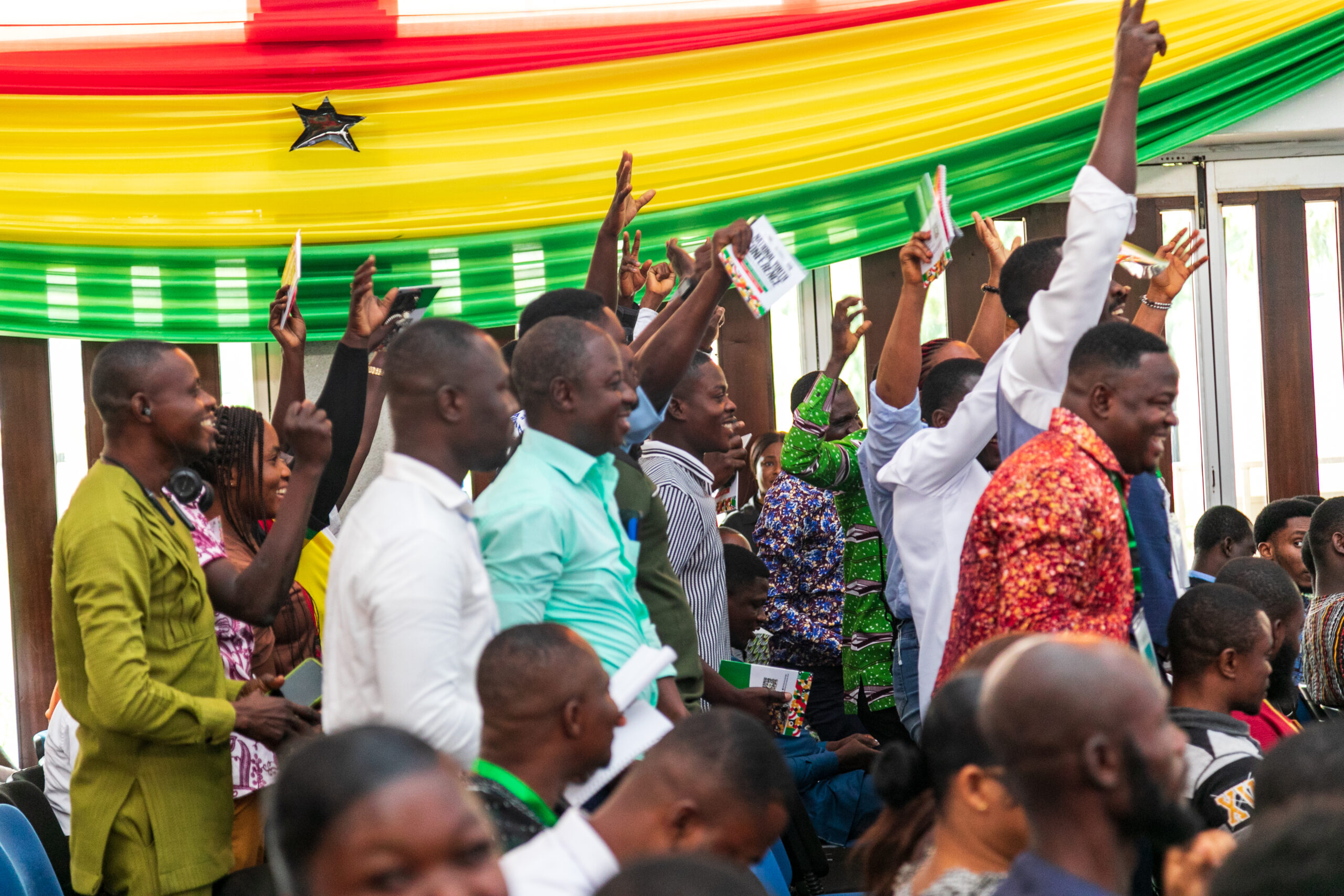
The atmosphere was energetic and highly engaging, with young participants listening to speakers, participating in sessions and interacting around issues affecting their lives and communities.
“What the Youth Become, the Country Becomes”
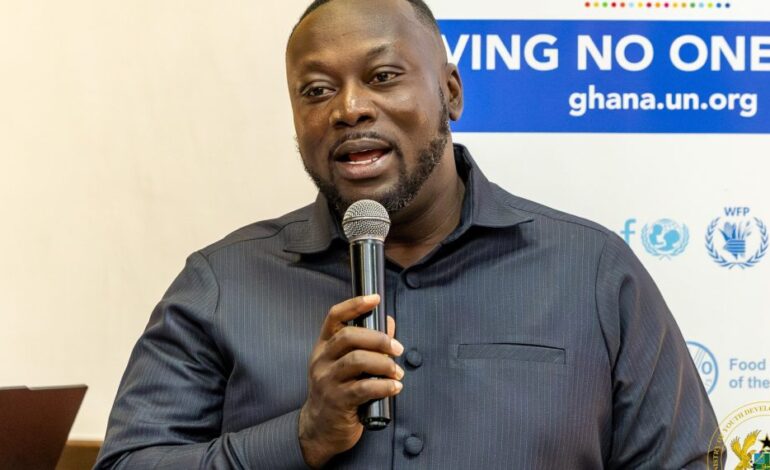
One of the messages that stood out during the main conference session came from Sherif Ghali, President of the Ghana Youth Federation (GYF).
Ghali spoke about the digital connection that exists between the Ghanaian youth through the use of mobile devices. He gave the conference room things to think about—what are we empowering the young person to use this power of connection to do and who are we empowering them to serve.
His message was summed up in a simple but powerful statement:
“What the youth become, the country becomes.”
The message resonated with one of the broader themes running through the conference: that young people should not view themselves merely as future leaders, but as people capable of influencing change in the present.
Students Turn Performance into Advocacy
One of the most memorable moments of the conference came from students of Kantanga, a residential hall at KNUST.
The students delivered a performance during the programme before using the opportunity to draw attention to the rising cost of hostel accommodation.
They highlighted the concern that hostel fees can sometimes cost more than students’ academic fees, raising questions about the growing financial pressure faced by students trying to complete their education.
Their advocacy drew the attention of Minister for Youth Development and Empowerment, George Opare Addo, who acknowledged the intervention and described this kind of advocacy as something that should be encouraged among young people.
The moment offered a practical demonstration of what youth participation can look like: identifying an issue, using an available platform to raise it, and calling attention to a concern affecting young people directly.
From Listening to Participation
The conference featured a broad mix of participants, including youth organisations, students, entrepreneurs, NGOs, government representatives and persons with disabilities.
The diversity of participants reflected the range of issues that affect Ghanaian youth and the importance of ensuring that youth development conversations include different voices and experiences.
The atmosphere throughout the programme was distinctly youthful. Speakers combined serious messages with humour, making the sessions both informative and engaging, while participants remained attentive to discussions on their responsibilities and opportunities.
A Conference About the Youth Taking Their Place
The National Youth Conference comes at a time when questions around employment, entrepreneurship, skills, technology and meaningful youth participation remain central to Ghana’s development conversation.
The discussions at KNUST reinforced the idea that empowering young people is not only about providing opportunities but also about creating spaces where they can speak, organise, question existing systems and propose solutions to challenges affecting their communities.
The intervention by the Kantanga students was perhaps one of the clearest examples of this principle in action.
Rather than simply being an audience at a national youth event, they used the platform to advocate for an issue that directly affects students.
For a conference centred on empowering young people, that may have been one of its most important lessons: young people do not have to wait for the future to begin making their voices heard.