Huawei Begins Digital Skills Training for 100,000 Ghanaians Under One Million Coders Programme

Huawei has begun a digital skills training programme expected to equip 100,000 Ghanaians with industry-relevant technology skills as part of the Government’s One Million Coders Programme.
The initiative forms part of Huawei’s commitment to support the Ministry of Communication, Digital Technology and Innovations (MoCDTI) in developing a skilled workforce for Ghana’s growing digital economy.
According to information reported by the Ghana News Agency (GNA), the programme is expected to run over four years and will focus on areas including Cloud Computing, Data Communication, 5G, Artificial Intelligence (AI), Security and Access Technologies.
Training trainers to reach more young people
Huawei’s approach includes a Training of Trainers (ToT) model, designed to create a wider pool of people capable of transferring digital skills to other beneficiaries.
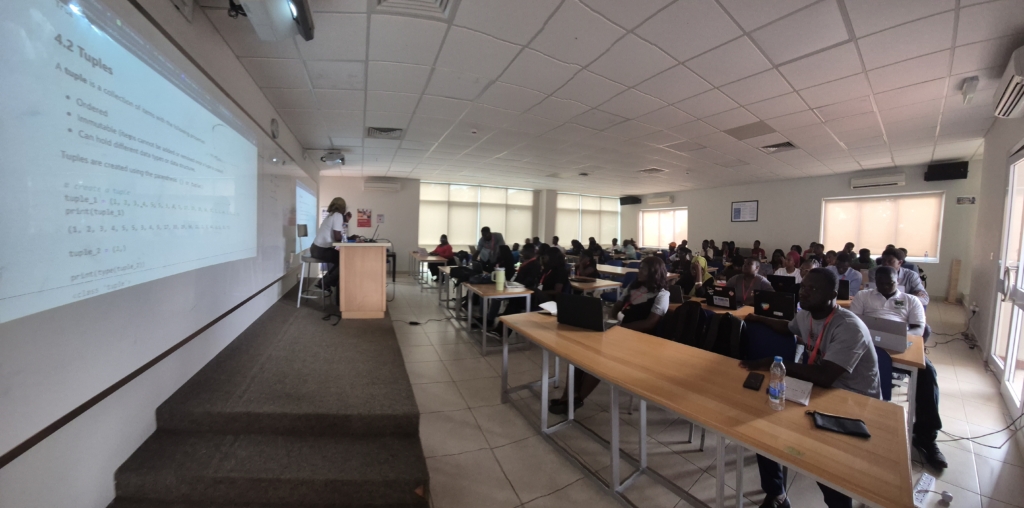
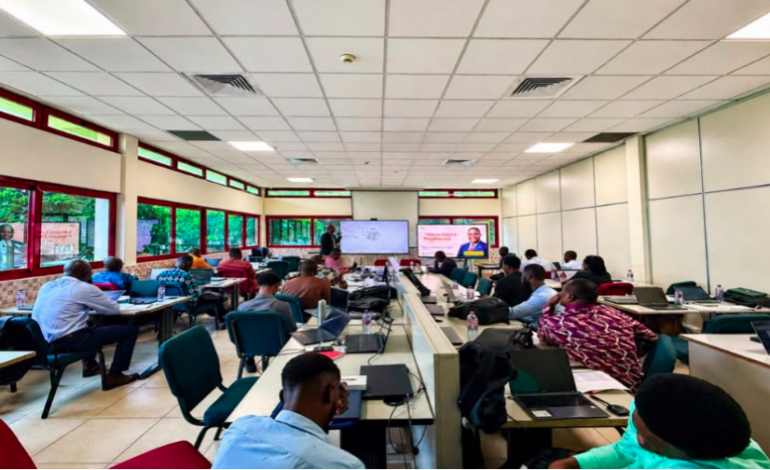
The first training session began on August 31, 2026, focusing on Data Communication.
Selected participants are being equipped with both technical knowledge and instructional skills so they can subsequently train other beneficiaries under the One Million Coders Programme.
Participants who successfully complete the training will receive joint certification from Huawei and the Ministry of Communication, Digital Technology and Innovations.
Those certified will then serve as trainers within the programme, helping extend the reach of the digital skills initiative to more people across Ghana.
Skills for Ghana’s digital economy
The training comes as Ghana continues efforts to expand digital skills development and prepare its workforce for an increasingly technology-driven economy.
The areas covered by the Huawei programme are particularly relevant to emerging opportunities in technology, including artificial intelligence, cloud services, telecommunications, data communication and digital security.
The One Million Coders Programme itself has already recorded significant participation. The Ministry reported in May that more than 12,600 course completions had been recorded since the start of Phase Two of the programme on May 11. The programme is designed to provide digital learning opportunities to people from different backgrounds, including students, entrepreneurs, young professionals, teachers and persons with disabilities.
Huawei’s involvement builds on its other digital skills initiatives in Ghana, including its Women in Tech, ICT Academy and Seeds for the Future programmes.
The company said its participation in the One Million Coders Programme would contribute to developing a workforce equipped with skills needed to support Ghana’s digital transformation and create opportunities for innovation.
What this means for young Ghanaians
For young people looking to build careers in technology, the programme highlights the growing emphasis on practical digital skills in areas such as AI, cloud computing, cybersecurity and telecommunications.
However, the Huawei announcement does not itself provide a general public application process for the 100,000 training places. Young people interested in participating should therefore follow official announcements from the Ministry of Communication, Digital Technology and Innovations and the One Million Coders Programme for information on available courses, registration and eligibility.
The development also comes as Ghana’s technology sector continues to place greater emphasis on applying digital skills to real economic and social challenges.
At a recent Applied Research Conference, Chief of Staff Dr Julius Debrah similarly called for stronger links between universities, industry and government so that research and emerging technologies, including AI, can be translated into practical solutions, products and services.
For Ghana’s young population, initiatives that expand access to these skills could provide additional pathways into the country’s evolving digital economy.
Source: Ghana News Agency (GNA), with additional information from the Ministry of Communication, Digital Technology and Innovations.