AGI Calls for More Workplace Training to Boost Youth Employability

The Association of Ghana Industries says young people need more opportunities to gain practical workplace experience as Ghana and other African countries work to close the gap between education and employment.
The Association of Ghana Industries (AGI) is calling on small and medium-sized enterprises (SMEs) to make workplace-based training a more common part of youth skills development, arguing that practical experience can help young people transition more effectively from education into employment.
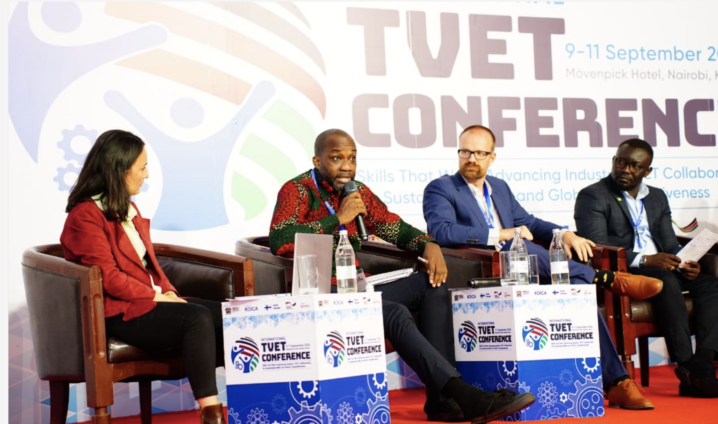
The call was made by Dela Gadzanku, Vice President of AGI in charge of SMEs, during the 2026 International Technical and Vocational Education and Training (TVET) Conference in Nairobi, Kenya.
Speaking as a panelist, Mr Gadzanku said workplace-based training should become the norm rather than the exception because of its potential to contribute to the socio-economic development of African countries.
The conference was held under the theme “Skills that Work: Advancing Industry-TVET Collaboration for Sustainable Skills and Global Competitiveness” and brought together more than 500 participants from 20 countries, including government officials, private-sector representatives, academics, TVET practitioners and civil society organisations.
Discussions focused on strengthening partnerships between industry and TVET institutions so that training programmes are better aligned with the skills employers actually need, while also supporting job creation.
Bridging the gap between the classroom and the workplace
Mr Gadzanku said closer collaboration between industry and TVET institutions is critical to ensuring that graduates acquire practical skills that match the changing demands of the labour market.
He urged SMEs to create more opportunities for young people to gain practical workplace experience, saying such exposure could help bridge the gap between classroom training and employment.
For young people entering an increasingly competitive labour market, the issue extends beyond simply obtaining academic qualifications. Opportunities to apply technical knowledge in real working environments can help graduates become more familiar with workplace expectations and the practical demands of their chosen fields.
The AGI’s position also highlights the role businesses can play in complementing formal education and technical training by giving young people opportunities to learn directly within industry.
Youth encouraged to consider entrepreneurship
The discussion was not limited to traditional employment.
Mr Gadzanku, who is also responsible for AGI Youth in Business, encouraged TVET graduates to consider entrepreneurship as another pathway to employment.
He said graduates could explore entrepreneurial opportunities using innovative products and solutions developed during their training.
This approach places greater emphasis on young people not only seeking available jobs but also considering how their technical knowledge and ideas can be developed into businesses and solutions.
AGI preparing job portal
The AGI is also working on a new platform intended to connect businesses with job seekers.
According to Mr Gadzanku, the Association is creating the AGI Nkabom Job Portal, which will allow AGI members to interface directly with people seeking employment.
The platform is expected to strengthen the connection between employers and job seekers and contribute to efforts to address youth unemployment.
However, the report does not give a launch date for the portal.
Industry and education need to work together
Mr Gadzanku stressed that effective industry-TVET partnerships will require sustained engagement between employers, training institutions and policymakers.
Such collaboration, he said, is important to ensure that skills development remains relevant to the needs of the economy.
The conference brought together stakeholders from across the skills-development ecosystem, with other panelists representing organisations including the Kenya Employers Association, Kenya Commercial Bank Foundation, International Labour Organization (ILO) and GIZ Senegal.
What this means for young people
For young Ghanaians, the message from the industry body is straightforward: skills development cannot stop at the classroom door.
As employers’ needs continue to change, gaining practical experience, developing solutions and understanding how industries operate can become an important part of preparing for the labour market.
For students and graduates pursuing technical and vocational careers, the push for stronger industry partnerships could also mean greater opportunities to gain workplace exposure while developing the skills needed to either secure employment or build their own ventures.
Source: Ghana News Agency (GNA)