28,000 Women and Young People to Benefit from Ghana Employment Programme

A new four-year programme is targeting young people and women across seven regions with jobs, entrepreneurship support, access to finance and market-driven skills.
More than 28,000 women and young people across seven regions of Ghana are set to benefit from a new initiative aimed at expanding employment, entrepreneurship and economic opportunities.
The Ghana Women and Youth Employment and Social Cohesion Programme (GWYESCO) will run from 2026 to 2029 and is being implemented by the Social Investment Fund (SIF) under the Ministry of Finance, with support from the African Development Bank (AfDB).
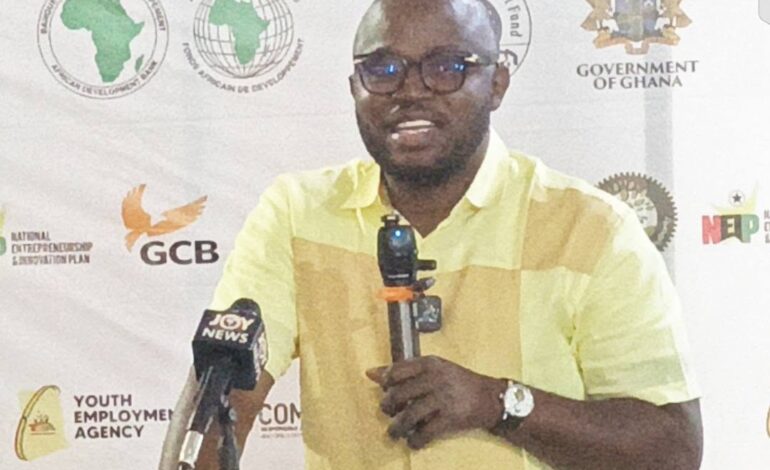
According to SIF Chief Executive Officer Lawyer Abass Nurideen, the programme is expected to generate at least 22,000 direct jobs and 6,000 indirect jobs over its four-year implementation period. It targets young people aged 18 to 35, alongside women aged 36 and above.
The programme will operate in the Northern, North-East, Savannah, Upper East, Upper West, Central and Eastern Regions.
What the programme will provide
GWYESCO is built around three main areas: skills development, economic opportunities and access to finance, alongside measures aimed at strengthening social cohesion and addressing vulnerability.
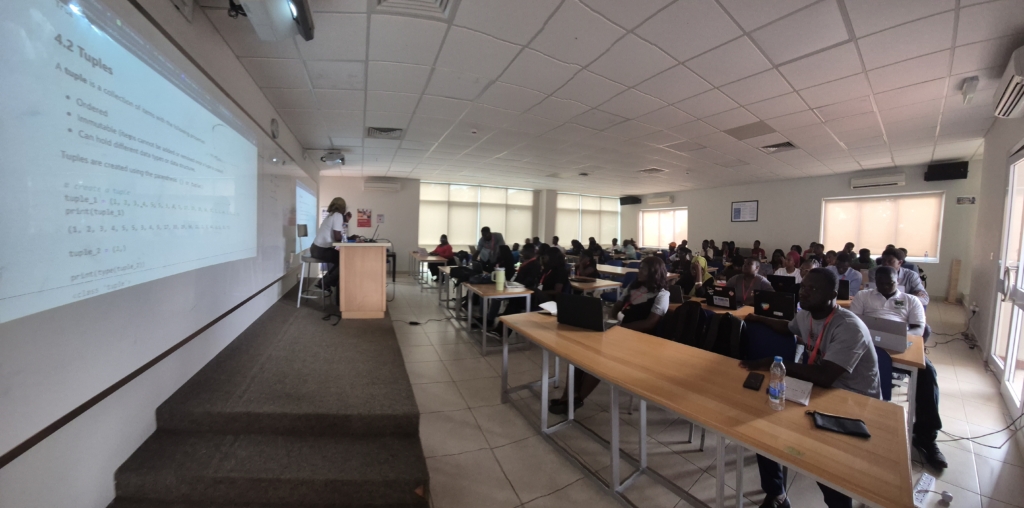
One component will provide market-driven training designed around areas with economic and employment potential. The programme is establishing and equipping eight training centres, with areas of training including coding, digital technology, electrical works, creative arts and rural entrepreneurship.
The programme is also designed to support people beyond training.
A US$15 million financing facility will provide financial and non-financial support to 10,000 micro, small and medium-sized enterprises (MSMEs). The initiative also plans to establish 100 business-to-business linkages to help participating businesses connect with markets and other enterprises.
For young entrepreneurs, this component could be particularly relevant because the programme is intended to combine business development support with access to finance rather than focusing solely on training.
Focus on jobs and entrepreneurship
The African Development Bank approved financing for GWYESCO as a four-year programme intended to improve economic inclusion among women and young people.
The Bank says the programme is expected to train 28,000 people and generate 22,000 direct jobs and 6,189 indirect jobs. Its broader design includes digital skills, STEM, creative industries, coding and generative AI, as well as agricultural enterprise opportunities such as poultry, fisheries and beekeeping.
The programme also includes support for women- and youth-owned MSMEs through business development services and access to finance.
This means GWYESCO is not being positioned simply as a training initiative. Its stated objective is to connect skills, employment, entrepreneurship and financing as part of a broader approach to economic inclusion.
Where the programme is being implemented
The seven regions covered by the programme are:
- Northern Region
- North East Region
- Savannah Region
- Upper East Region
- Upper West Region
- Central Region
- Eastern Region
The Social Investment Fund has been engaging regional stakeholders ahead of implementation. In the Northern Region, officials from the SIF recently met with the Northern Regional Coordinating Council to discuss the programme and preparations for implementation.
The Northern Regional Coordinating Council has pledged to work with the SIF, Metropolitan, Municipal and District Assemblies and other partners to help ensure that the programme translates into meaningful economic opportunities for young people and women.
What this means for young people
For young Ghanaians between 18 and 35, GWYESCO represents a programme to watch as implementation progresses.
Its focus extends beyond conventional employment to include entrepreneurship, digital skills, access to finance and support for youth-owned businesses.
However, the current announcement does not yet provide a general public application portal or a single application deadline for young people to enrol directly into the programme.
As implementation develops, specific beneficiary-selection processes and opportunities are expected to be communicated through the implementing agencies and regional structures.
Young people interested in benefiting from the programme should therefore follow updates from the Social Investment Fund, Youth Employment Agency and other implementing partners, rather than paying individuals who claim to offer guaranteed access.
A broader push for youth economic inclusion
GWYESCO forms part of wider efforts to address unemployment and economic vulnerability among young people and women.
The programme’s design also reflects the view that employment challenges cannot be addressed through skills training alone. Access to capital, business support, market connections and opportunities for self-employment are also included in the programme’s framework.
For the young people targeted by the initiative, the key question now will be how quickly these planned interventions translate into actual training opportunities, financing, businesses and jobs on the ground.
With implementation scheduled to continue through 2029, GWYESCO will be one programme to watch as Ghana continues efforts to expand economic opportunities for its growing youth population.
Source: Information Services Department, Ghana; African Development Bank.